
Mobile care
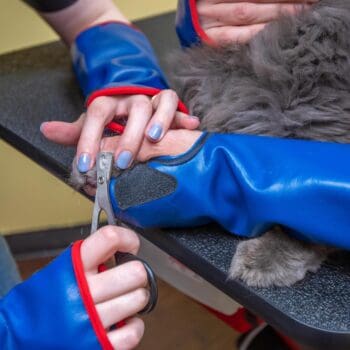
Routine claw trimming at home
For cats whose claws need shortening and maintenance, without evidence of an embedded claw, active wound, or infection.
- One or multiple cats
- Front, rear, and dewclaw checks
- Optional Soft Paws application
Portland metro mobile claw care
City Cat Claws brings mobile cat nail trimming to Portland-area homes—using behavior-responsive support, practical household planning, and the clinical judgment of Cats in the City.
Routine claw maintenance only. Embedded claws, open wounds, active bleeding, swelling, drainage, or suspected infection require clinic or veterinary routing.
A quiet room
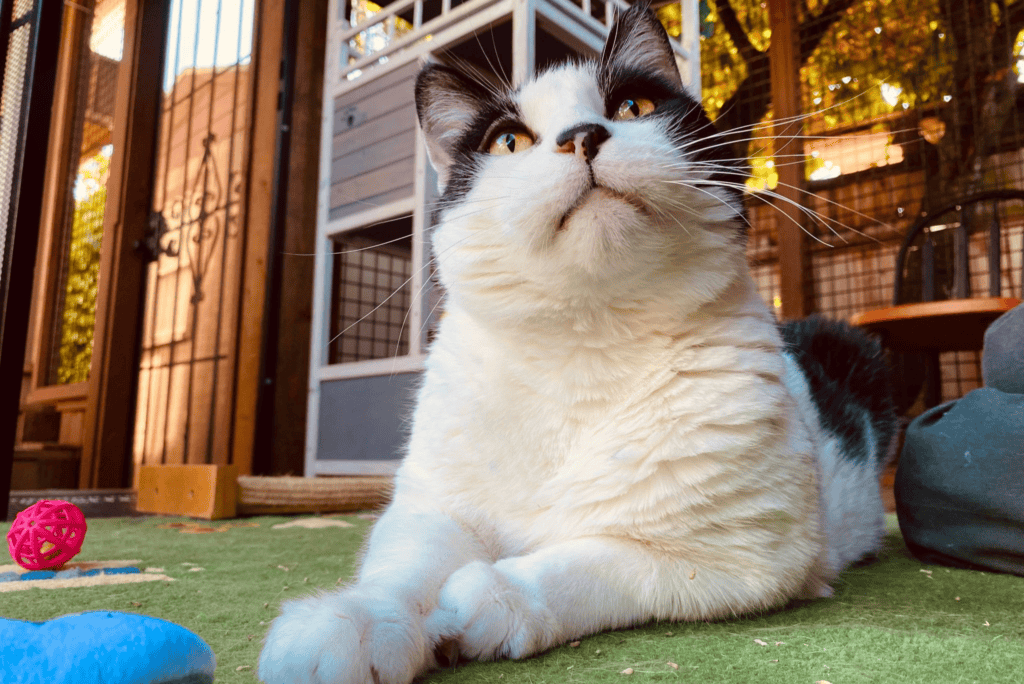
We work in a small, enclosed space that reduces searching and escape routes.
A planned visit
Guardian-present and prearranged no-contact access options are available.
A connected system
When mobile care is not appropriate, we route back to Cats in the City.
Start with the right care setting
City Cat Claws is deliberately focused on routine mobile maintenance. The wider Cats in the City system remains available when a paw needs a different level or location of care.
Mobile care
For cats whose claws need shortening and maintenance, without evidence of an embedded claw, active wound, or infection.
Clinic-based grooming
For cats needing a more controlled setting, broader grooming support, or hands-on assessment beyond a routine mobile trim.
Request Cats in the City groomingVeterinary pathway
These signs can indicate paw-pad injury, infection, or a deeper medical problem. Contact a veterinarian promptly rather than waiting for a mobile trim.
Read the ingrown-claw guideA small visit with a lot of planning behind it
We reduce preventable friction before anyone touches a paw. The space, timing, access plan, and care configuration are all part of the service.
Share the address, number of cats, current claw concerns, handling history, and whether you will be home.
A bathroom, laundry room, or other quiet room helps the visit begin without searching the home for a cat.
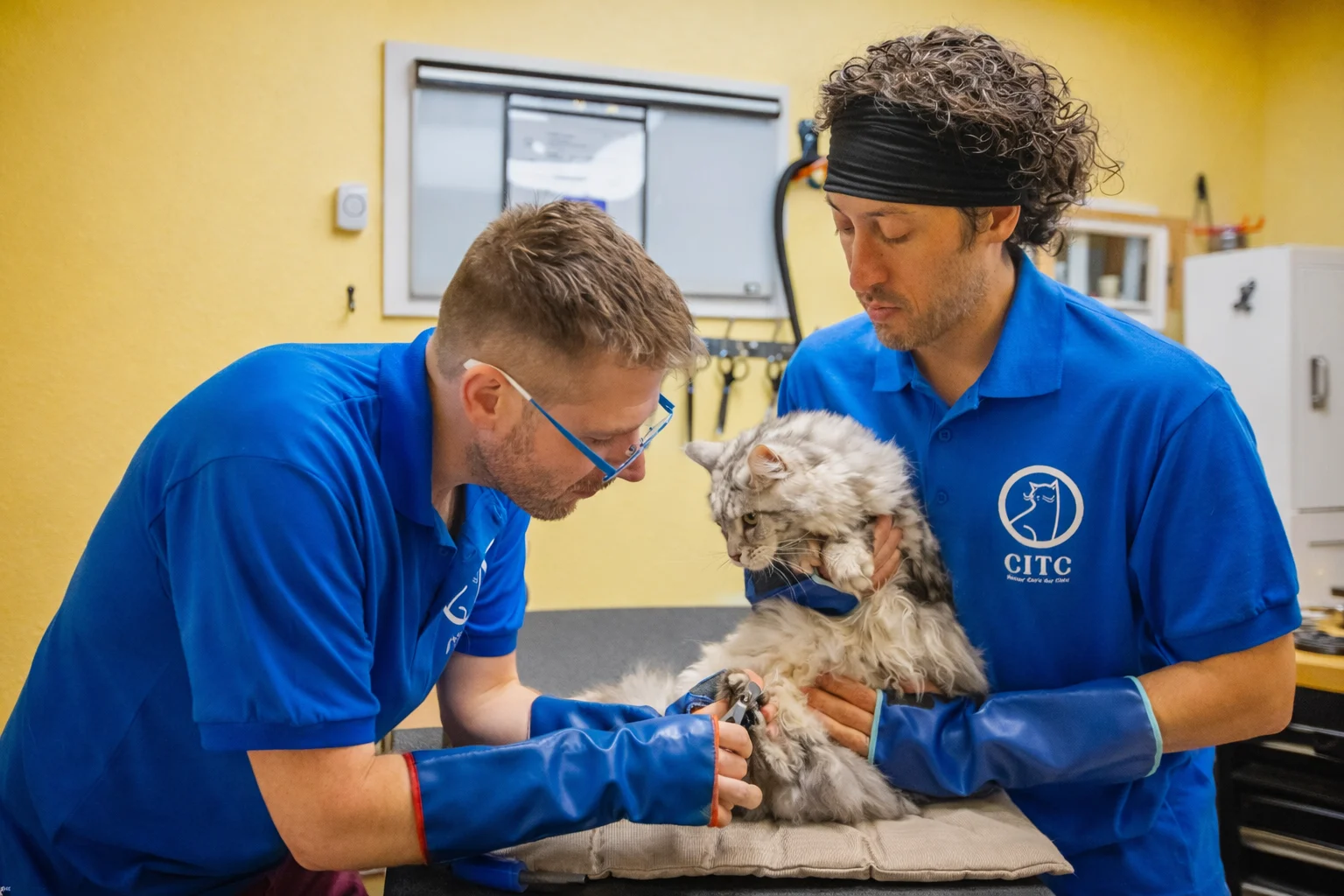
The first appointment commonly uses two practitioners so movement and support needs can be evaluated safely.
Many cats benefit from a repeating four-to-six-week cycle, adjusted to claw growth and individual needs.
Route-based mobile pricing
The base rate covers the mobile visit and the first cat. Distance is calculated from the Cats in the City location used for the route. Additional cats and Soft Paws are clear add-ons.
Explore by need
Use the mobile-care cluster to plan a routine visit. Use the claw-health cluster to understand overgrowth, sheath buildup, red flags, and the point at which care should move to a clinic or veterinarian.
Mobile care topic cluster
Start with the mobile service overview, then move into preparation, reactive cats, senior cats, multi-cat households, and scheduling.
Open mobile claw careClaw health topic cluster
Learn what overgrowth looks like, how normal sheath renewal differs from concerning material, and which findings are outside routine mobile care.
Built from Cats in the City practice
City Cat Claws is not a disconnected gig service. It is a focused access point into a feline-only care organization with dedicated grooming locations, trained teams, and clear escalation pathways.
We read movement, tension, recovery, and tolerance rather than forcing every cat through one script.
Two-person support is available when it reduces restraint and creates safer access to the paws.
Rates and arrival windows reflect the real time required to move trained care across the metro area.
When the problem is not routine, the mobile service does not pretend it is. We route to clinic or veterinary care.

The larger care system
Grooming, boarding, cat sitting, transport, rescue, and structured rehoming remain available through Cats in the City.
Maintenance prevents compression and injury
Age, mobility changes, indoor living, and individual anatomy can all reduce natural wear. Routine checks help catch curvature, dewclaw overgrowth, uneven wear, and pressure before a claw reaches the paw pad.
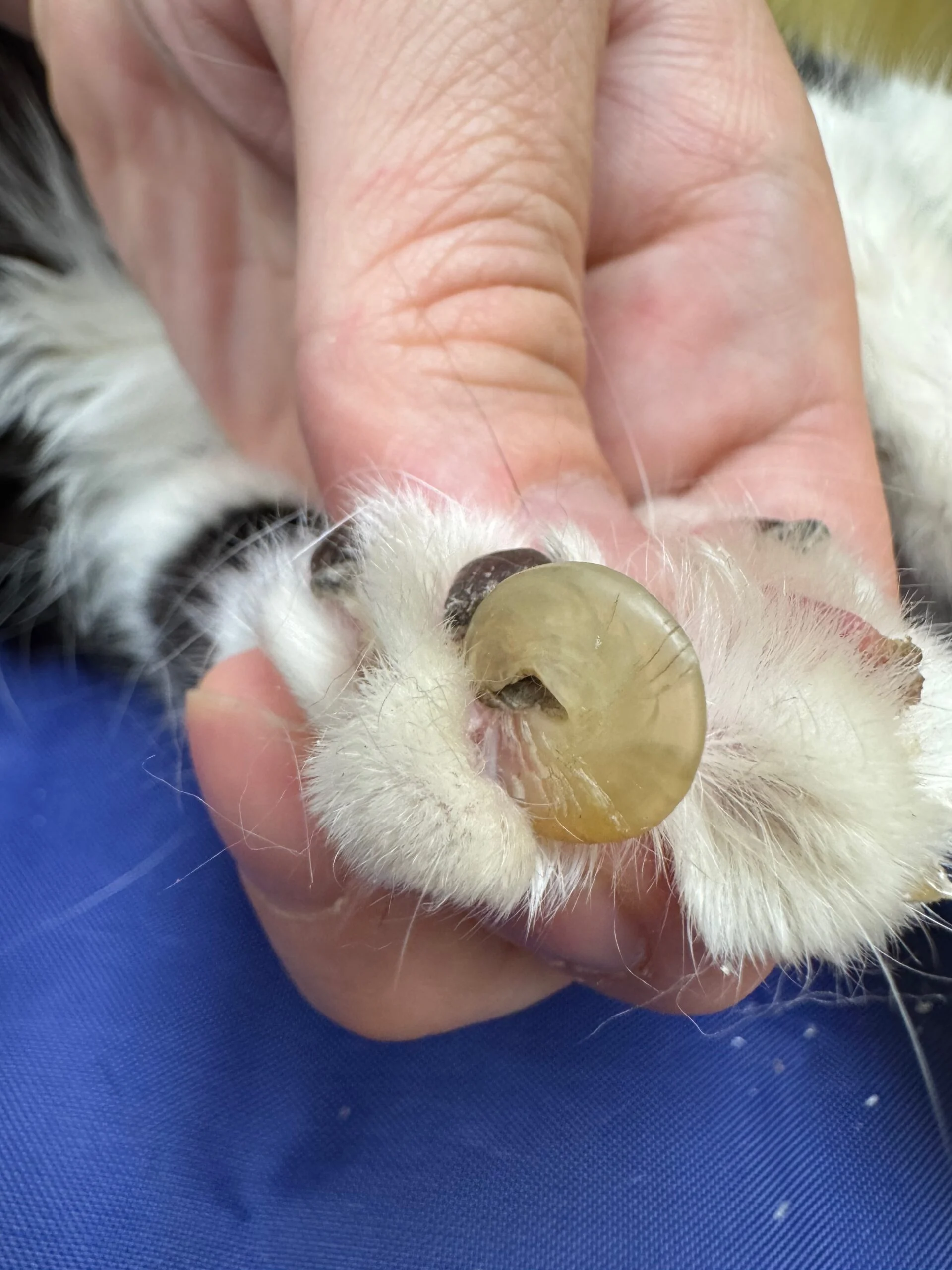
Open wounds, bleeding, swelling, odor, discharge, limping, or severe pain need prompt clinical or veterinary assessment.
Common questions
A mobile visit works best when the household and the care team share the same plan.
No. We ask that your cat be secured in a quiet enclosed room before arrival so the visit does not begin with a chase through the home.
Yes, when entry and exit are prearranged and the cat can be safely secured in the agreed room before the visit.
The first appointment commonly uses two trained practitioners so the team can assess movement, support needs, and whether future solo visits are appropriate.
Many cats benefit from care every four to six weeks, though growth rate, mobility, age, and wear patterns vary.
Routine care, delivered where your cat lives
Tell us about your cat, your address, and any handling considerations. The Cats in the City team will review the request and confirm the safest next step.